Rome
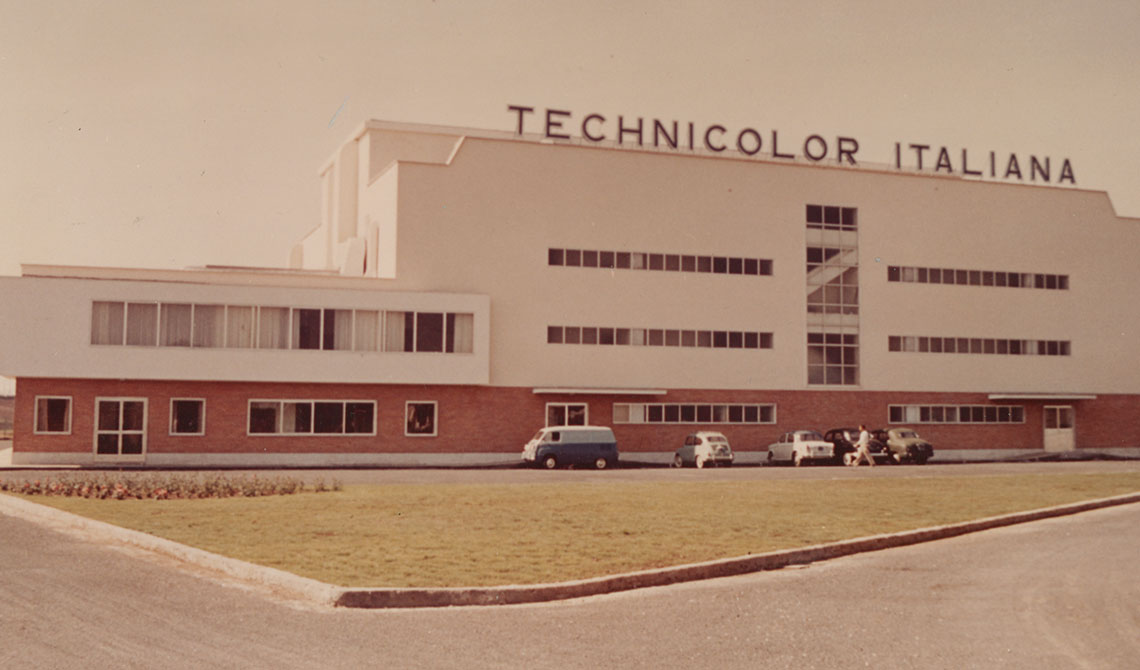
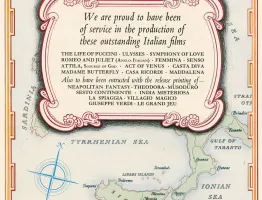
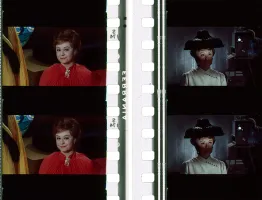
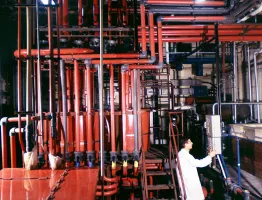
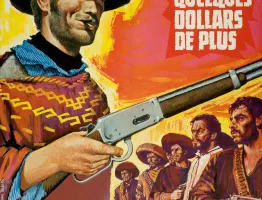
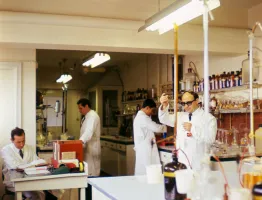
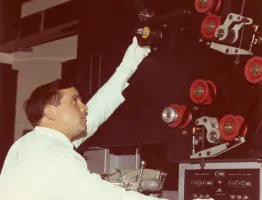
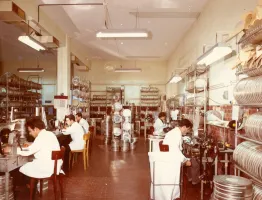
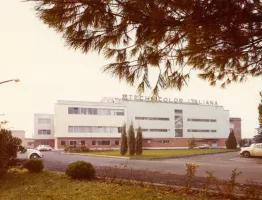
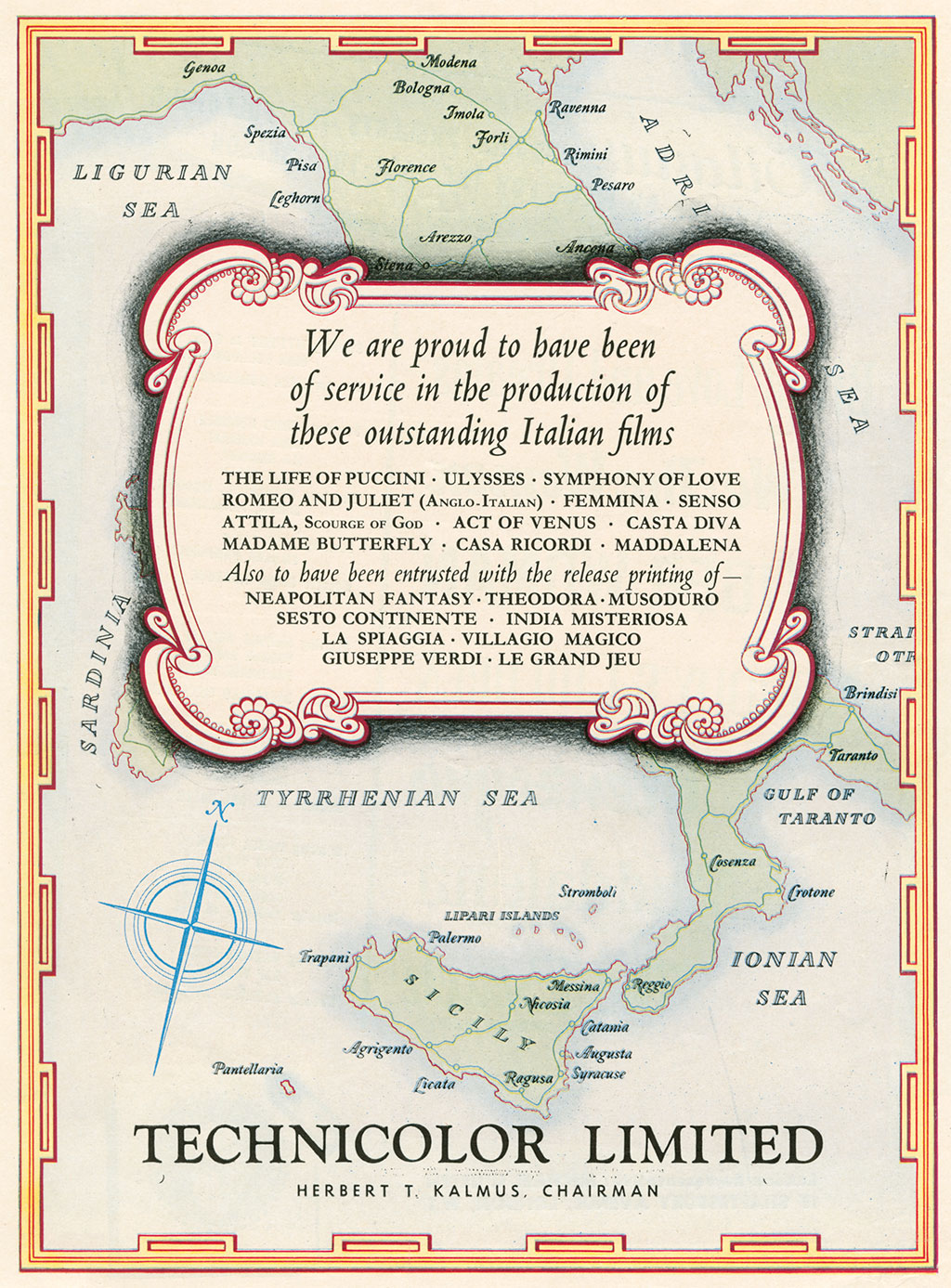
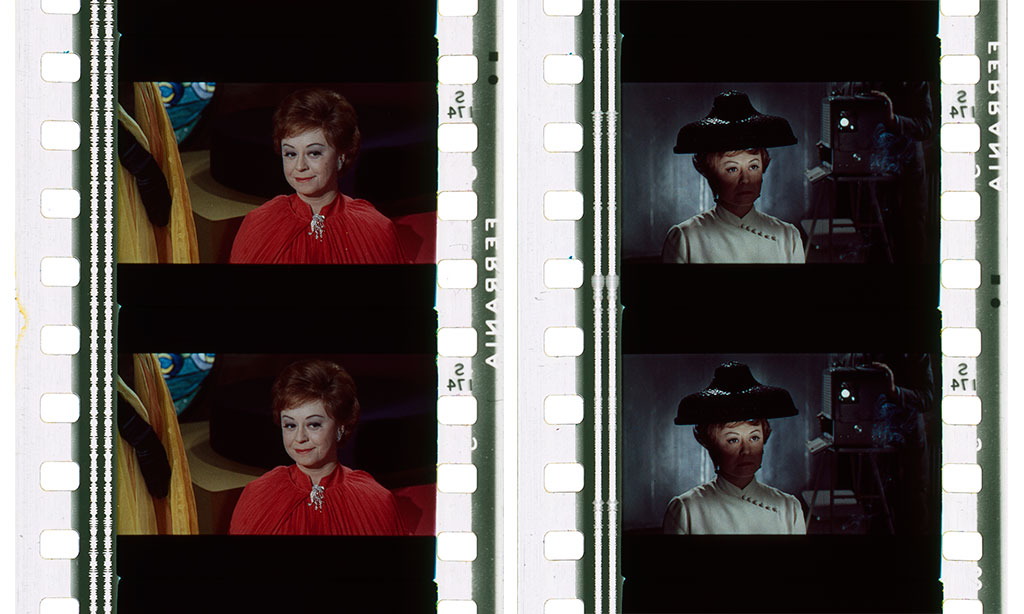
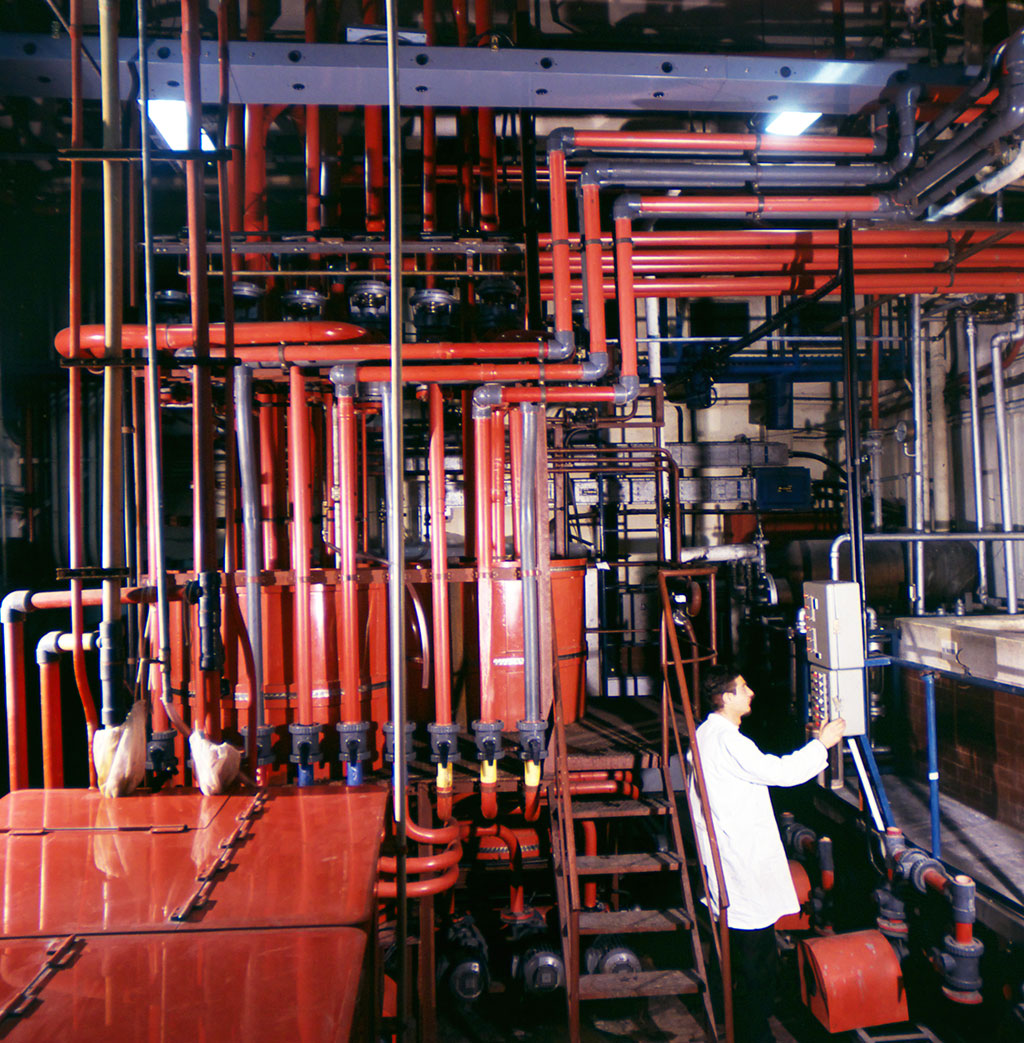
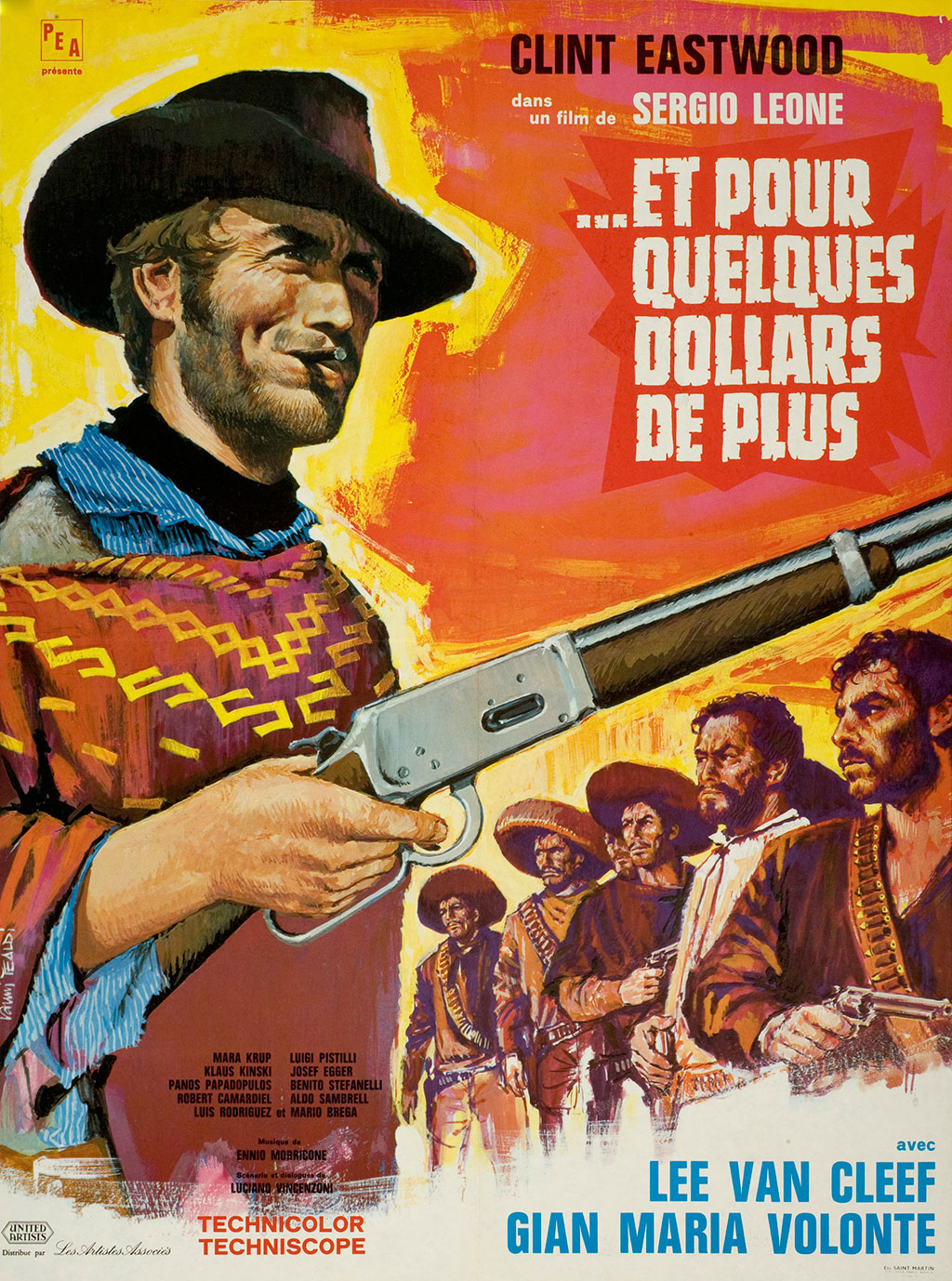
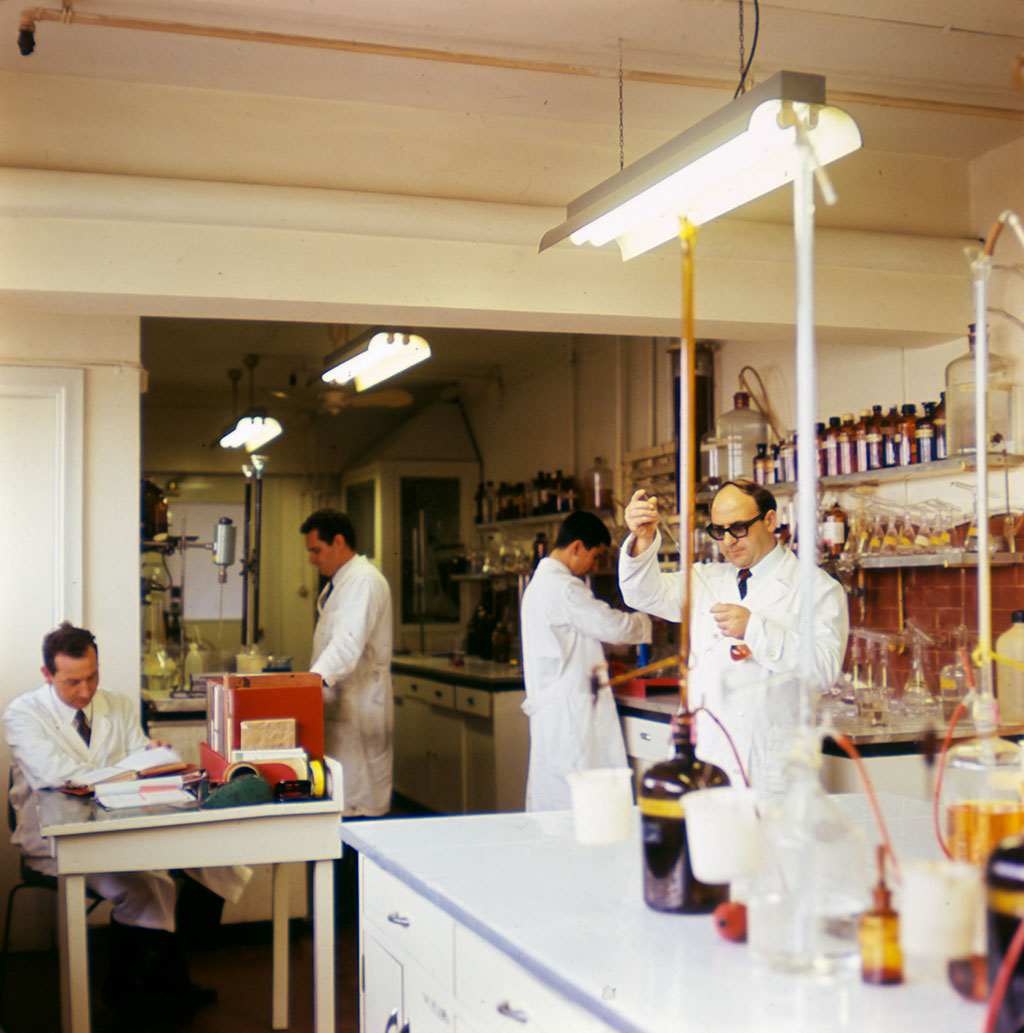
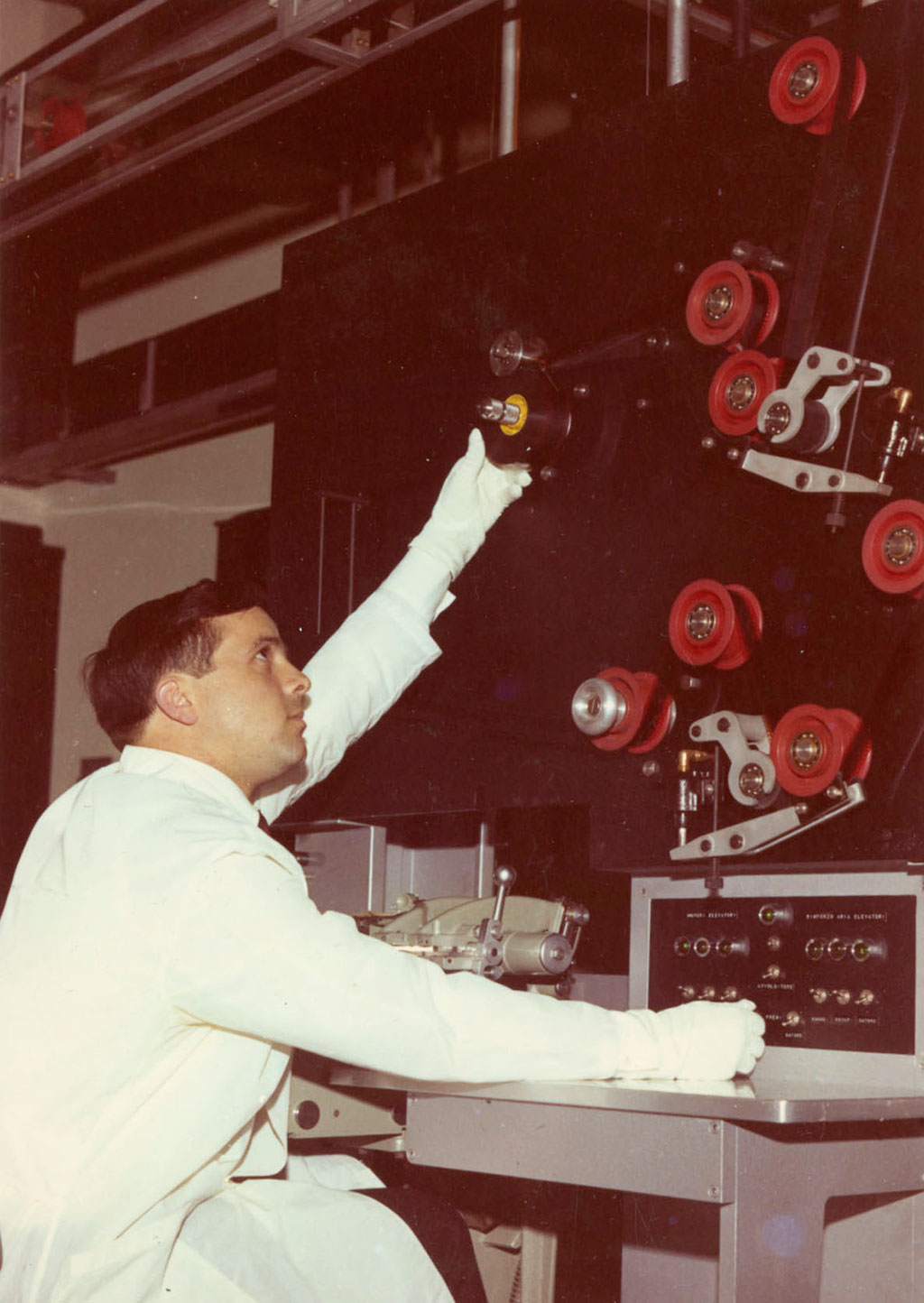
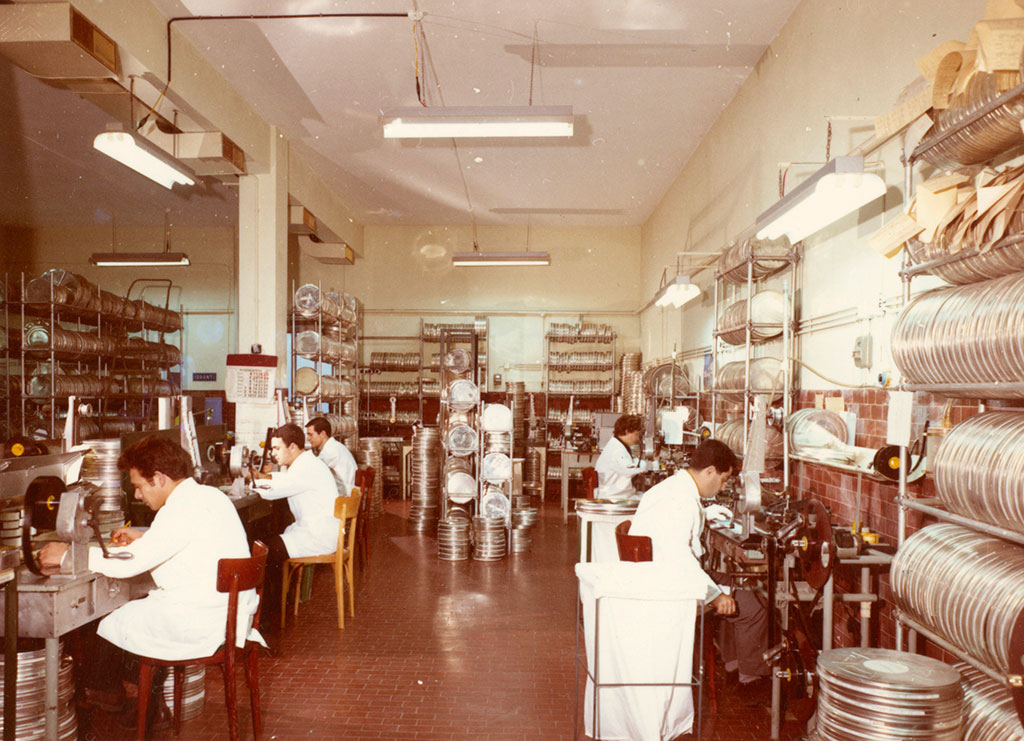
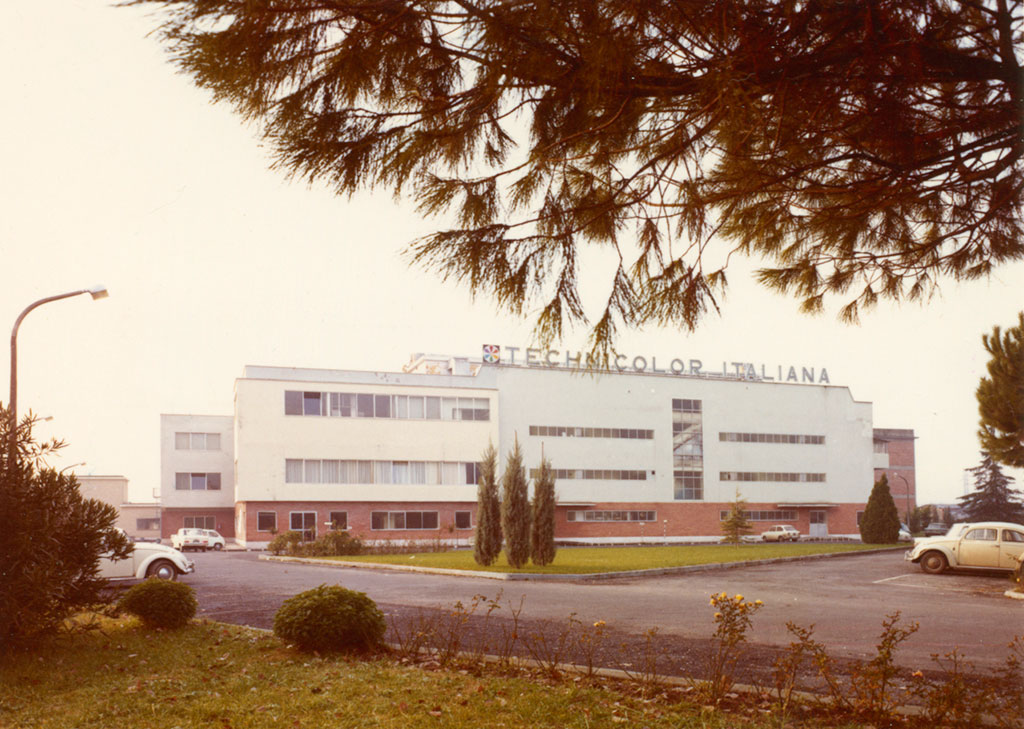
Technicolor Italiana was formed in 1955, and its Rome laboratory opened five years later to produce prints for the European market. Over the years, it was used by many of Italy’s most accomplished filmmakers, including Michelangelo Antonioni, Federico Fellini, Pier Paolo Pasolini, and Luchino Visconti. In 1961, Technicolor Italiana introduced Techniscope, which cut the size of the standard four-perforation frame in half, creating a widescreen image and saving a significant amount of raw film stock. More than 350 films were photographed in Techniscope from 1960 to 1980, many of which were Spaghetti Westerns. Director Sergio Leone notably used Techniscope’s greater depth of field to his advantage, creating innovative multiplane compositions to enhance his iconic shootouts.